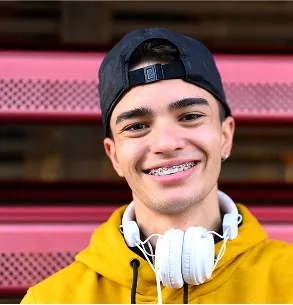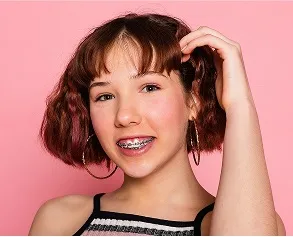
At Gellerman Orthodontics, we offer a range of braces options to fit your lifestyle, preferences, and orthodontic needs. Whether you’re looking for a traditional and effective solution or a more discreet alternative, we have the right treatment for you.
Each type of braces has unique benefits, and the best choice depends on your orthodontic needs, lifestyle, and personal preferences. During your consultation at Gellerman Orthodontics, we’ll discuss your options and create a treatment plan tailored to you. Whether you choose metal, ceramic, or lingual braces, you can trust that you’re receiving the highest level of care for a confident, healthy smile.
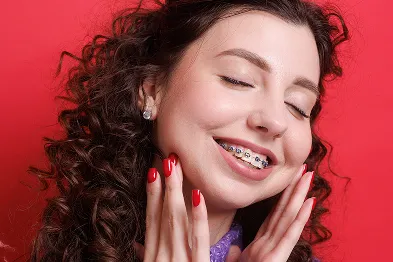
Metal
Metal braces are the most well-known and widely used type of braces. Made from high-quality stainless steel, today’s braces are smaller, sleeker, and more comfortable than ever before. They use brackets, archwires, and elastics to gradually shift your teeth into their ideal positions.
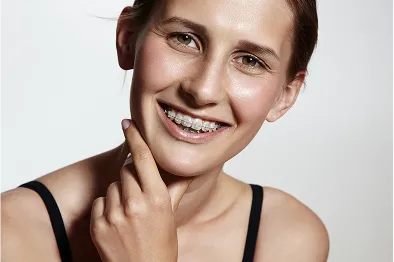
Ceramic
Ceramic braces function just like metal braces but with one key difference: they use tooth-colored brackets that blend in with your smile for a more discreet look. They are a popular choice for teens and adults who want the effectiveness of braces without the noticeable appearance.
Lingual
For patients who want a completely invisible orthodontic solution, lingual braces are an excellent choice. These braces are placed on the back (lingual side) of your teeth, making them completely hidden from view.
Braces for Kids
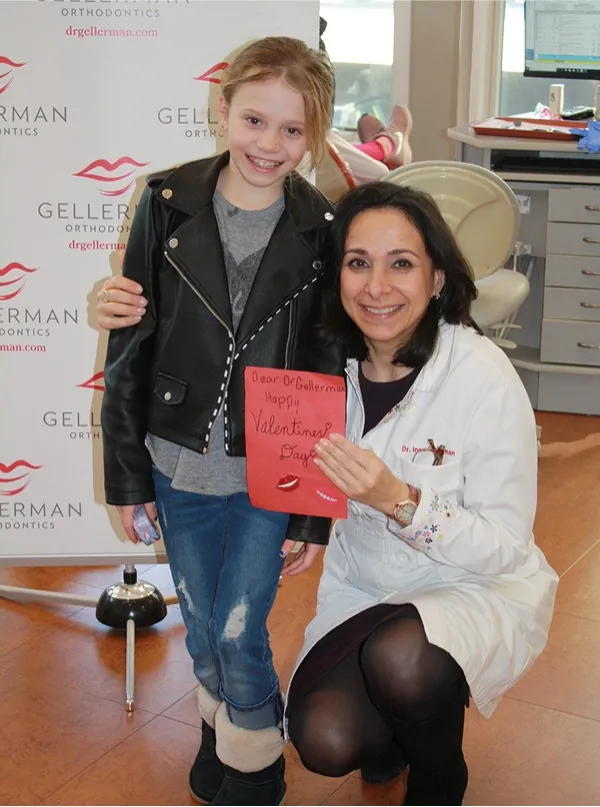
Is Early Orthodontic Treatment Necessary for Kids?
Yes — early treatment can make a big difference in your child’s future smile and oral health. Starting orthodontic care at the right time helps guide jaw growth, create room for permanent teeth, and correct harmful habits before they lead to bigger problems.
The American Association of Orthodontists recommends that kids have their first orthodontic evaluation by age seven, even if baby teeth are still present. At this age, we can catch potential issues early and decide whether your child may benefit from early treatment.
What Issues Can Early Treatment Fix?
Braces for kids are often part of a two-phase treatment approach. In Phase One, we focus on addressing developmental concerns before all permanent teeth come in. Early treatment can help with:
Crowded or spaced teeth
Overbites, underbites, or crossbites
Jaw growth and alignment issues
Thumb-sucking or tongue-thrust habits
By guiding growth early, we may prevent the need for tooth extractions or jaw surgery later. It also makes future orthodontic treatment faster and more effective.
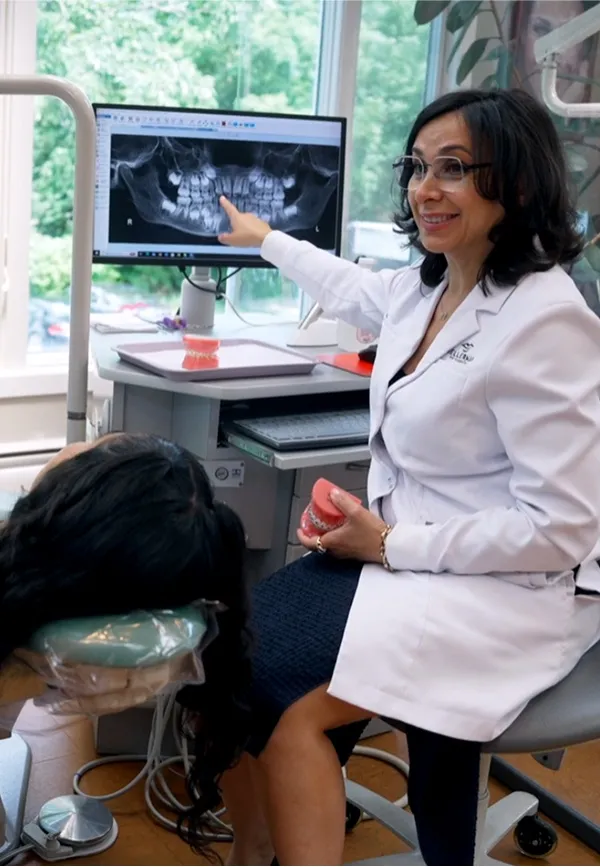
Can Early Treatment Help Create Space for Permanent Teeth?
Yes — one of the biggest benefits of early orthodontic treatment is expansion. For many children, the upper jaw is too narrow to allow all permanent teeth to come in properly. This can lead to crowding, misalignment, and even the need to extract healthy teeth later on.
Using tools like palatal expanders and space-maintaining appliances, we can gently guide jaw development and create the space needed for future teeth to erupt naturally. This not only supports a healthier bite but also helps avoid more invasive treatments later.
By starting early, we can prevent permanent teeth from becoming impacted or misaligned, reducing the likelihood of extractions or surgical intervention. Expansion is a safe, effective way to support proper facial and dental development, and it’s a key reason why we recommend evaluating your child’s smile as early as age seven.
What Are the Braces Options for Kids?
We offer metal, ceramic, and lingual braces — all are strong, reliable, and effective. Many kids enjoy customizing their braces with colorful elastics, making treatment a fun and creative experience.
Since kids’ bones are still developing, treatment is often more efficient than in older teens or adults. This means shorter treatment times and fewer adjustments over the course of care.
What Makes Gellerman Orthodontics Different?
Dr. Gellerman has developed a personalized approach called The Gellerman Method, designed specifically for growing patients. Using 3D digital X-rays and high-resolution photographs, we create a treatment plan that’s tailored to your child’s unique anatomy and needs.
Benefits of The Gellerman Method include:
Up to 40% faster treatment times
Pain-free care with fewer adjustments
Minimal need for extractions
Personalized care that fits your child’s lifestyle
Focus on both function and appearance for lasting results
Can My Child Still Be Active with Braces?
Absolutely! Braces won’t keep your child from doing what they love. Whether they’re into sports, music, or other hobbies, our team will help them adjust smoothly.
We’ll walk you through braces-friendly foods (like pasta, yogurt, and soft fruits) and help your child avoid things that can damage their braces—like sticky candy or crunchy snacks. We’ll also teach proper brushing and flossing techniques, including tools like interdental brushes, to make cleaning easy.
If your child plays contact sports, a mouthguard will help keep their smile safe. With the right care and support, your child can enjoy life — and a healthier smile — without skipping a beat.
What’s the First Step?
The first step is easy: schedule an orthodontic evaluation. We’ll assess your child’s growth, bite, and alignment to see if early treatment is right for them. If it’s not needed yet, we’ll simply monitor their progress and recommend treatment at the best time.
At Gellerman Orthodontics, we’re here to guide your child toward a healthier, more confident smile — from their first appointment to their final result.

Braces for Teens
The teenage years are the ideal time for orthodontic treatment. With most permanent teeth in place and the jaw still developing, braces can effectively shape a straight, healthy smile that lasts a lifetime. While braces are an exciting step toward a confident smile, we know that teens have busy lives filled with school, sports, and social events. That’s why we focus on making the orthodontic experience as smooth and stress-free as possible.
Adjusting to braces takes a little time, but most teens find that they quickly get used to them. Mild soreness is common after adjustments, but it fades within a few days. Eating softer foods and using orthodontic wax can help with any initial discomfort.
While braces are strong, certain foods can damage brackets and wires. Teens should avoid:
Sticky foods (gum, caramel, chewy candies)
Hard foods (nuts, popcorn, ice, hard candies)
Crunchy foods (raw carrots, apples, chips — unless cut into small pieces)
The good news? There are still plenty of delicious foods to enjoy, including pasta, soft fruits, yogurt, and smoothies.
Brushing and flossing are more important than ever with braces. Food can get trapped around brackets and wires, increasing the risk of cavities and staining. Teens should:
Brush after every meal with a soft-bristled toothbrush
Floss daily using floss threaders or a water flosser
Avoid sugary drinks that can cause plaque buildup around brackets
Braces won’t stop teens from playing sports or musical instruments, but a mouthguard is recommended for contact sports to protect their teeth and braces. With a little care and consistency, life with braces can be easy — and the result is a beautiful, confident smile that lasts a lifetime!
Treatment Time For Teens
It’s one of the first questions many teens ask: “How long do I have to wear braces?” The exact length of treatment depends on several important things, including:
Early Treatment — For some patients, two-phase treatment is needed, and whether you had early treatment or not can impact the amount of time you need to wear braces. In the first phase of the treatment, treatment helps the jaw develop better, which can put you in a better position for effective straightening with braces later. Early treatment can happen as early as age seven.
Correction Needs — Your correction needs can have a major impact on total time in braces. If you need complex straightening, it may take longer, while minor alignment issues generally require shorter time in braces. Some teenagers only need 12 months in braces while others can take up to 24 months.
Your Participation — Your participation is a big part of braces success, so it plays a role in total braces time, too. Be sure to follow all of our guidelines and recommendations and see us for your check-up appointment on time to make sure you wear braces for the shortest time possible.

Braces for Adults
It’s never too late to achieve the smile you’ve always wanted! More adults than ever are choosing orthodontic treatment to improve their confidence, oral health, and overall well-being. Whether you had braces as a child and experienced shifting over time or you’re getting treatment for the first time, we offer options that fit seamlessly into your lifestyle.
Adult braces can correct:
Crowded or misaligned teeth
Bite problems (such as overbite, underbite, or crossbite)
Gaps between teeth
TMJ issues or jaw discomfort
Adult Braces vs Childhood Braces: Key Differences
In young patients, the jaw is still somewhat soft because it’s still developing. But, as an adult your jaw is already fully developed — and may have been that way for years. That means that adult orthodontics can be more challenging, and might take longer, than the treatment you would have as a child or teen. As an adult, you’re also more likely than children to have periodontal disease or worn or missing teeth, both of which can increase the challenge of orthodontic treatment. These are all good reasons why you need truly customized care like The Gellerman Method.
Sometimes, adults had incomplete orthodontic treatment when they were young, or never had any orthodontic care at all, but it’s never too late to straighten your teeth. Even if you’ve spent an entire lifetime with crooked teeth, Dr. Gellerman can help with a customized adult orthodontics plan.
Many adults prefer discreet treatment options, which is why we offer ceramic braces and lingual braces for a nearly invisible experience. Lingual braces, placed on the back of your teeth, allow you to straighten your smile without anyone noticing. If you’re looking for a traditional, effective solution, metal braces are also available and more advanced than ever before.
We understand that adults have busy schedules, which is why we use advanced orthodontic technology to make treatment as efficient and comfortable as possible. Braces aren’t just about aesthetics — they also improve oral health by making teeth easier to clean, reducing the risk of cavities and gum disease. Investing in orthodontic treatment as an adult leads to a healthier, more confident smile for years to come!
Braces are an orthodontic treatment designed to straighten teeth, correct bite issues, and improve overall dental health. They work by applying gentle, continuous pressure to gradually move teeth into their ideal positions. Brackets are bonded to the teeth and connected by wires, which are adjusted throughout treatment to guide movement.
Treatment time varies depending on the complexity of your case. On average, most patients wear braces for 12 to 24 months. Some cases may require less or more time based on the severity of misalignment and how well instructions are followed.
Braces don’t “hurt,” but you may experience mild discomfort after getting them placed or adjusted. This soreness typically lasts a few days and can be managed with over-the-counter pain relievers, soft foods, and orthodontic wax if needed.
Most patients have check-ups every four to eight weeks to adjust wires and monitor progress. These appointments are essential for keeping treatment on track.
Once your braces are removed, you’ll need to wear a retainer to maintain your results and keep your teeth in their new position. Your orthodontist will provide specific instructions on retainer wear.
tooth, metal, wire, align technology, gums, mouth, retainer, malocclusion, orthodontics, tooth decay, dental braces, oral hygiene, jaw, pain, ceramic, disease, patient, hygiene, pressure, stainless steel, american association of orthodontists, analgesic, tooth enamel, toothpaste, brush, therapy, toothbrush, gingivitis, clear aligners, steel, plastic, tongue, lingual braces, diet, chewing gum, chewing, orthodontic headgear, oral irrigator, mouthwash, bracket, mouthguard, molar, braces invisibles, injury, fluoride, tooth loss, elastics, ligature, medicaid, adhesive, surgery, orthodontic technology, bacteria, dental insurance, titanium, wax, inflammation, arch, lip, bruxism, tissue, nickel titanium, oral b superfloss, bracket lingual, braces, braces near me, request appointment, nearest orthodontist, orthodontist nearby, orthodontist around me, orthodontist close to me, orthodontists in my area, orthodontist near by me, braces close to me, nearby orthodontist, palatal expansion, periodontal disease, cosmetic dentistry, board certification, orthodontia, huntington, confidence, evaluation
Frequently Asked Questions
Can braces fix a receding chin?
Braces cannot directly fix a receding chin. Orthodontic treatment primarily focuses on aligning teeth and jaws. Surgical options like jaw advancement surgery may be needed to address a receding chin. Braces are more effective at correcting dental misalignments rather than skeletal issues like a receding chin.
Does the dental school near me offer braces?
The dental school near you may offer braces as part of their orthodontic services. It's recommended to contact the school directly for information on the types of braces available, treatment plans, and costs. Dental schools often provide affordable options for orthodontic care under the supervision of experienced professionals.
Are braces worth it?
Braces are worth it for achieving proper alignment, improving oral health, enhancing appearance, and boosting confidence. The benefits of braces, including enhanced dental function and long-term oral health, outweigh any temporary inconvenience during treatment. Proper alignment can prevent future dental issues, making braces a worthwhile investment.
Are braces painful?
Braces may cause discomfort or soreness after adjustments, but it is typically manageable with over-the-counter pain relief. Any pain tends to lessen as the mouth adjusts. Patients may experience temporary soreness or irritation, but pain levels vary depending on each person's pain threshold.
At what age do kids usually get braces?
Kids typically get braces between the ages of 10 and 14, after their permanent teeth have come in. However, the exact age can vary based on individual needs and orthodontic evaluation. Early detection of orthodontic problems can lead to more effective treatment outcomes.
At what age should children ideally receive braces?
Children should ideally receive braces around the age of 7, but the timing can vary based on individual needs. Early orthodontic evaluation helps detect issues and plan treatment to ensure optimal results and oral health in the future.
Can braces cause teeth to grind?
Yes, braces can sometimes cause teeth to grind due to the changes in alignment and pressure during treatment. This is known as bruxism. It's essential to communicate any discomfort to your orthodontist, who can provide solutions like special mouthguards to alleviate grinding and protect your teeth during the adjustment period.
Are power chains the final step in brace treatment?
No, power chains are not usually the final step in brace treatment. They are commonly used to close gaps, align teeth, or correct bite issues during orthodontic treatment. The final steps often involve fine-tuning the alignment and ensuring the teeth are properly positioned for long-term stability with retainers.
Can braces worsen TMJ (temporomandibular joint) issues?
Braces can sometimes worsen TMJ issues by temporarily increasing discomfort or pain. However, properly planned orthodontic treatment, including options like Invisalign or TMJ-specific braces, can often alleviate TMJ symptoms over time. It's crucial to consult with an experienced orthodontist to address TMJ concerns during treatment.
Are braces typically covered by insurance?
Yes, braces are often covered by insurance, especially for orthodontic treatment deemed medically necessary. Dental insurance policies vary, so it's essential to check your specific plan for coverage details, including age limits, percentage of coverage, and any waiting periods or pre-authorization requirements.
Are electric toothbrushes recommended for braces?
Yes, electric toothbrushes are recommended for braces as they can effectively navigate around brackets and wires, ensuring thorough cleaning and reducing plaque buildup. Electric toothbrushes with rotating or oscillating heads can provide more efficient cleaning compared to manual toothbrushes, promoting better oral health during orthodontic treatment.
Can braces correct an overbite?
Braces can effectively correct an overbite by gradually shifting the teeth and jaw into the correct alignment. This process helps improve dental health, symmetry, and facial aesthetics. Additionally, braces can address other orthodontic issues like misaligned teeth and jaw discrepancies, providing comprehensive oral care.
What is the most affordable price for braces?
The most affordable price for braces can vary depending on the type of braces chosen, location, and individual treatment needs. On average, traditional metal braces typically range from $3,000 to $7,000, while clear aligners like Invisalign may cost between $3,000 to $8,000. Orthodontic consultations can provide accurate pricing information.
Can braces correct an asymmetrical face?
Braces can help correct dental misalignment, which may improve facial symmetry. However, for significant facial asymmetry, additional treatments like jaw surgery may be necessary. It's best to consult with an orthodontist to determine the most suitable treatment plan for your specific needs.
Can a different dentist remove my braces?
Yes, a different dentist can remove your braces, but it's recommended to visit the orthodontist who originally placed them. Orthodontists have specialized training for proper removal and final adjustments, ensuring the best outcome for your smile alignment. If necessary, get a referral from your current orthodontist for another dentist's assistance.
Can braces change your faces jawline?
Braces can help improve jaw alignment, potentially enhancing the appearance of the jawline over time. By correcting dental issues, braces can positively impact facial symmetry and profile. However, significant changes to the jawline structure may require additional orthodontic or surgical interventions.
How much do braces cost in New York?
The cost of braces in New York can vary based on the type of braces chosen, treatment duration, and individual orthodontic needs. On average, traditional braces typically range from $3,000 to $7,000. Invisalign treatment may cost between $3,500 and $8,000. However, a consultation with an orthodontist is necessary for an accurate cost estimate.
Can braces help with gum recession?
Braces can help with gum recession by improving tooth alignment and reducing stress on the gums. Properly aligned teeth can promote better gum health and reduce the risk of recession. However, it's essential to consult with an orthodontist to determine the best treatment plan for addressing gum recession alongside orthodontic treatment.
Can braces fix TMJ issues?
Braces can help alleviate TMJ issues by properly aligning the teeth and jaws, reducing strain on the temporomandibular joint. However, for severe cases, additional treatments like orthodontic appliances, mouthguards, or orthognathic surgery may be required. Consulting with an orthodontist is essential for personalized treatment recommendations.
Are posture braces bad for your health?
Posture braces are not inherently bad for your health if used correctly and for short periods. However, relying on them long-term may weaken muscles. Consult a healthcare provider or an orthopedic specialist before using posture braces extensively. Remember, maintaining proper posture through exercise is key.
Can braces correct a lisp?
Braces alone may not correct a lisp, but they can help align teeth and jaws, potentially improving speech. A speech therapist should be consulted for comprehensive treatment. Additional orthodontic appliances may be needed for speech correction beyond braces.
Are clear braces more costly than traditional ones?
Yes, clear braces are typically more costly than traditional braces due to their materials and technology. However, cost can vary based on individual treatment needs and location. It's essential to discuss pricing and payment plans with your orthodontist to understand the full financial picture.
How much do braces usually cost?
The cost of braces can vary significantly depending on the type of braces, treatment length, and individual needs. On average, traditional metal braces can cost between $3,000 to $7,000. Invisalign treatment typically ranges from $3,000 to $8,000. Early treatment or complex cases may increase costs. Insurance coverage and flexible payment plans can help manage expenses.
Are braces less expensive than Invisalign?
Braces are typically less expensive than Invisalign treatment. The cost difference can vary based on individual treatment needs, but traditional braces are often more cost-effective due to materials and technology used in the treatment. Consulting an orthodontist can provide accurate pricing details for both options.
How long does the braces process take?
The duration of the braces process varies based on individual needs, including any previous treatments. On average, treatment can last from 18 to 36 months, with adjustments every 6-8 weeks. Adhering to guidelines can ensure successful treatment completion and optimal results.
Can braces cause bone loss?
Braces do not cause bone loss. In fact, orthodontic treatment encourages healthy bone growth and remodeling around the teeth. Properly aligned teeth can help prevent bone loss by ensuring even pressure distribution during chewing, maintaining bone density, and supporting overall oral health.
Are braces tax deductible?
Braces can be tax-deductible if they are considered a medical necessity. The cost of braces may qualify as a medical expense for tax deductions if it exceeds a certain percentage of your adjusted gross income. Consult with a tax professional for guidance on deductibility based on your individual circumstances.
Are braces cheaper than Invisalign?
Braces are generally more cost-effective than Invisalign, but the exact cost varies based on factors like treatment duration and complexity. Insurance coverage and payment plans can make both options more affordable. Consult with an orthodontist for personalized pricing details.
Are white spots from braces permanent?
White spots from braces are a common issue caused by poor hygiene or mineral loss. In most cases, they are not permanent and can be treated with proper care, remineralization toothpaste, or dental procedures like microabrasion or composite restorations. Regular dental visits are essential for monitoring and addressing any concerns.
Are braces necessary?
Braces are often necessary to correct misalignment, improve bite, and enhance oral health. Treatment duration varies based on individual needs. Consult with an orthodontist to determine if braces are needed and for a personalized treatment plan.
Can an orthodontist refuse to remove braces?
Yes, an orthodontist can refuse to remove braces if the treatment plan has not been completed, there are outstanding payments, or the patient hasn't followed care instructions. Communication is key to resolving any issues before completion.
Are braces considered cosmetic dentistry?
Braces are primarily considered orthodontic treatment rather than cosmetic dentistry. They focus on aligning teeth and correcting issues with the bite and jaw alignment. While braces can improve aesthetics, their main purpose is functional and to promote oral health.
Can a 9-year-old receive braces?
Yes, a 9-year-old can receive braces. Early orthodontic treatment can address potential issues and guide proper jaw development. It's crucial to consult with an orthodontist for an evaluation to determine if braces are necessary at this age. Early intervention can prevent future problems.
Are wrist braces permitted in world ten-pin bowling competitions?
Wrist braces are generally allowed in world ten-pin bowling competitions. However, it is essential to check the specific rules and regulations of the governing body organizing the competition to ensure compliance. Players should confirm any restrictions or guidelines related to the use of wrist braces before participating in the event.
Are braces typically covered by dental insurance?
Braces are typically covered by dental insurance, but coverage varies depending on the type of treatment needed, insurance plan limits, and age of the patient. Orthodontic insurance often has a lifetime maximum amount that can be utilized for orthodontic treatment, so it's essential to verify coverage specifics with your insurance provider.
Can braces correct a misaligned jaw?
Yes, braces can correct a misaligned jaw by gradually moving the teeth and jaw into proper alignment. Different types of braces, such as traditional braces, Invisalign, or functional appliances, can be used based on the severity of the misalignment to achieve the desired results. Regular orthodontic appointments are essential to monitor progress and make adjustments as needed.
Are affordable braces options available locally?
Yes, affordable braces options are available locally at Gellerman Orthodontics in Huntington, NY. We offer various types of braces, payment plans, and insurance options to make orthodontic treatment accessible. Contact us for a consultation to discuss affordable braces tailored to your needs.
Does orthodontic treatment improve jaw symmetry?
Orthodontic treatment can improve jaw symmetry by addressing misalignments and correcting bite issues. This can lead to more balanced facial proportions and harmonious jaw alignment, enhancing both aesthetics and functionality. Braces, aligners, and other orthodontic interventions help align the teeth and jaws, contributing to improved jaw symmetry over time.
What age range is ideal for braces?
The ideal age range for braces is usually between 10 to 14 years old, when most permanent teeth have erupted but the jaw is still growing. However, orthodontic treatment can be beneficial at any age depending on individual needs and conditions.
How effective are braces for TMJ relief?
Braces can be effective for TMJ relief by aligning the teeth properly, improving the bite, and reducing stress on the temporomandibular joint. This alignment can help alleviate symptoms associated with TMJ disorders, such as jaw pain, clicking, and stiffness, providing relief for some individuals with this condition.
Is dental insurance adequate for braces?
Dental insurance may help cover part of the cost of braces, but it's essential to check your policy's specifics. Many plans have coverage limits, waiting periods, and exclusions for orthodontic treatment. Patients should review their insurance carefully and consider additional payment options like payment plans or flexible spending accounts to cover any out-of-pocket expenses.
Can TMJ issues influence braces treatment?
Yes, TMJ issues can impact braces treatment by affecting treatment duration and comfort. Orthodontic adjustments may help alleviate TMJ symptoms, but collaboration between an orthodontist and a TMJ specialist is crucial for effective treatment. Proper diagnosis and management of TMJ concerns alongside braces treatment is essential for optimal results.
inbrace careers, perfect smile braces new york, clear braces near me, geller orthodontics, gellerman orthodontics, orthodontist near me for braces, dr gellerman, inbrace provider portal, braces near me, braces hauppauge, gellerman orthodontist, braces specialist near me, long island braces, gum disease treatment huntington ny, geller orthodontist, inbrace portal, orthodontist huntington, braces doctor, inbrace new york ny, braces for teens near me, gellerman, invisalign vs braces huntington ny, braces dentist near me, braces nesr me, invisalign express huntington ny, dental braces near me, dentist for braces, braces smithtown, gellerman ortho, orthodontist near huntington ny, orthodontist huntington park, braces mear me, braces doctor near me, braces places, inbrace nyc, invisalign huntington ny, doctor that does braces, best orthodontist for braces near me, gellerman orthodontics reviews, braces dentist nearby, best orthodontist in my area, dr gellerman huntington ny, braces long island, braces office, get braces near me, dentist braces near me, integrative orthodontics, dentist for braces near me, dr gellerman orthodontist, kids braces near me, dr braces, orhtodontic evaluation near me, orthodontist, braces college point ny, teen orthodontics college point ny, metal braces college point ny, braces huntington, lingual braces near me, braces huntington ny, braces teens in latham, best orthodontic treatment for teens in latham, centereach braces, ceramic braces for teens, ceramic braces for children, braces teens in glens falls, metal braces for teens near me, braces for kids near me, orthodontic braces for teens, crossbite near me
tooth, metal, wire, align technology, gums, mouth, retainer, malocclusion, orthodontics, tooth decay, dental braces, oral hygiene, jaw, pain, ceramic, disease, patient, hygiene, pressure, stainless steel, american association of orthodontists, analgesic, tooth enamel, toothpaste, brush, therapy, toothbrush, gingivitis, clear aligners, steel, plastic, tongue, lingual braces, diet, chewing gum, chewing, orthodontic headgear, oral irrigator, mouthwash, bracket, mouthguard, molar, braces invisibles, injury, fluoride, tooth loss, elastics, ligature, medicaid, adhesive, surgery, orthodontic technology, bacteria, dental insurance, titanium, wax, inflammation, arch, lip, bruxism, tissue, nickel titanium, oral b superfloss, bracket lingual, braces, braces near me, request appointment, nearest orthodontist, orthodontist nearby, orthodontist around me, orthodontist close to me, orthodontists in my area, orthodontist near by me, braces close to me, nearby orthodontist, palatal expansion, periodontal disease, cosmetic dentistry, board certification, orthodontia, huntington, confidence, evaluation
Frequently Asked Questions
Can braces fix a receding chin?
Braces cannot directly fix a receding chin. Orthodontic treatment primarily focuses on aligning teeth and jaws. Surgical options like jaw advancement surgery may be needed to address a receding chin. Braces are more effective at correcting dental misalignments rather than skeletal issues like a receding chin.
Does the dental school near me offer braces?
The dental school near you may offer braces as part of their orthodontic services. It's recommended to contact the school directly for information on the types of braces available, treatment plans, and costs. Dental schools often provide affordable options for orthodontic care under the supervision of experienced professionals.
Are braces worth it?
Braces are worth it for achieving proper alignment, improving oral health, enhancing appearance, and boosting confidence. The benefits of braces, including enhanced dental function and long-term oral health, outweigh any temporary inconvenience during treatment. Proper alignment can prevent future dental issues, making braces a worthwhile investment.
Are braces painful?
Braces may cause discomfort or soreness after adjustments, but it is typically manageable with over-the-counter pain relief. Any pain tends to lessen as the mouth adjusts. Patients may experience temporary soreness or irritation, but pain levels vary depending on each person's pain threshold.
At what age do kids usually get braces?
Kids typically get braces between the ages of 10 and 14, after their permanent teeth have come in. However, the exact age can vary based on individual needs and orthodontic evaluation. Early detection of orthodontic problems can lead to more effective treatment outcomes.
At what age should children ideally receive braces?
Children should ideally receive braces around the age of 7, but the timing can vary based on individual needs. Early orthodontic evaluation helps detect issues and plan treatment to ensure optimal results and oral health in the future.
Can braces cause teeth to grind?
Yes, braces can sometimes cause teeth to grind due to the changes in alignment and pressure during treatment. This is known as bruxism. It's essential to communicate any discomfort to your orthodontist, who can provide solutions like special mouthguards to alleviate grinding and protect your teeth during the adjustment period.
Are power chains the final step in brace treatment?
No, power chains are not usually the final step in brace treatment. They are commonly used to close gaps, align teeth, or correct bite issues during orthodontic treatment. The final steps often involve fine-tuning the alignment and ensuring the teeth are properly positioned for long-term stability with retainers.
Can braces worsen TMJ (temporomandibular joint) issues?
Braces can sometimes worsen TMJ issues by temporarily increasing discomfort or pain. However, properly planned orthodontic treatment, including options like Invisalign or TMJ-specific braces, can often alleviate TMJ symptoms over time. It's crucial to consult with an experienced orthodontist to address TMJ concerns during treatment.
Are braces typically covered by insurance?
Yes, braces are often covered by insurance, especially for orthodontic treatment deemed medically necessary. Dental insurance policies vary, so it's essential to check your specific plan for coverage details, including age limits, percentage of coverage, and any waiting periods or pre-authorization requirements.
Are electric toothbrushes recommended for braces?
Yes, electric toothbrushes are recommended for braces as they can effectively navigate around brackets and wires, ensuring thorough cleaning and reducing plaque buildup. Electric toothbrushes with rotating or oscillating heads can provide more efficient cleaning compared to manual toothbrushes, promoting better oral health during orthodontic treatment.
Can braces correct an overbite?
Braces can effectively correct an overbite by gradually shifting the teeth and jaw into the correct alignment. This process helps improve dental health, symmetry, and facial aesthetics. Additionally, braces can address other orthodontic issues like misaligned teeth and jaw discrepancies, providing comprehensive oral care.
What is the most affordable price for braces?
The most affordable price for braces can vary depending on the type of braces chosen, location, and individual treatment needs. On average, traditional metal braces typically range from ,000 to ,000, while clear aligners like Invisalign may cost between ,000 to ,000. Orthodontic consultations can provide accurate pricing information.
Can braces correct an asymmetrical face?
Braces can help correct dental misalignment, which may improve facial symmetry. However, for significant facial asymmetry, additional treatments like jaw surgery may be necessary. It's best to consult with an orthodontist to determine the most suitable treatment plan for your specific needs.
Can a different dentist remove my braces?
Yes, a different dentist can remove your braces, but it's recommended to visit the orthodontist who originally placed them. Orthodontists have specialized training for proper removal and final adjustments, ensuring the best outcome for your smile alignment. If necessary, get a referral from your current orthodontist for another dentist's assistance.
Can braces change your faces jawline?
Braces can help improve jaw alignment, potentially enhancing the appearance of the jawline over time. By correcting dental issues, braces can positively impact facial symmetry and profile. However, significant changes to the jawline structure may require additional orthodontic or surgical interventions.
How much do braces cost in New York?
The cost of braces in New York can vary based on the type of braces chosen, treatment duration, and individual orthodontic needs. On average, traditional braces typically range from ,000 to ,000. Invisalign treatment may cost between ,500 and ,000. However, a consultation with an orthodontist is necessary for an accurate cost estimate.
Can braces help with gum recession?
Braces can help with gum recession by improving tooth alignment and reducing stress on the gums. Properly aligned teeth can promote better gum health and reduce the risk of recession. However, it's essential to consult with an orthodontist to determine the best treatment plan for addressing gum recession alongside orthodontic treatment.
Can braces fix TMJ issues?
Braces can help alleviate TMJ issues by properly aligning the teeth and jaws, reducing strain on the temporomandibular joint. However, for severe cases, additional treatments like orthodontic appliances, mouthguards, or orthognathic surgery may be required. Consulting with an orthodontist is essential for personalized treatment recommendations.
Are posture braces bad for your health?
Posture braces are not inherently bad for your health if used correctly and for short periods. However, relying on them long-term may weaken muscles. Consult a healthcare provider or an orthopedic specialist before using posture braces extensively. Remember, maintaining proper posture through exercise is key.
Can braces correct a lisp?
Braces alone may not correct a lisp, but they can help align teeth and jaws, potentially improving speech. A speech therapist should be consulted for comprehensive treatment. Additional orthodontic appliances may be needed for speech correction beyond braces.
Are clear braces more costly than traditional ones?
Yes, clear braces are typically more costly than traditional braces due to their materials and technology. However, cost can vary based on individual treatment needs and location. It's essential to discuss pricing and payment plans with your orthodontist to understand the full financial picture.
How much do braces usually cost?
The cost of braces can vary significantly depending on the type of braces, treatment length, and individual needs. On average, traditional metal braces can cost between ,000 to ,000. Invisalign treatment typically ranges from ,000 to ,000. Early treatment or complex cases may increase costs. Insurance coverage and flexible payment plans can help manage expenses.
Are braces less expensive than Invisalign?
Braces are typically less expensive than Invisalign treatment. The cost difference can vary based on individual treatment needs, but traditional braces are often more cost-effective due to materials and technology used in the treatment. Consulting an orthodontist can provide accurate pricing details for both options.
How long does the braces process take?
The duration of the braces process varies based on individual needs, including any previous treatments. On average, treatment can last from 18 to 36 months, with adjustments every 6-8 weeks. Adhering to guidelines can ensure successful treatment completion and optimal results.
Can braces cause bone loss?
Braces do not cause bone loss. In fact, orthodontic treatment encourages healthy bone growth and remodeling around the teeth. Properly aligned teeth can help prevent bone loss by ensuring even pressure distribution during chewing, maintaining bone density, and supporting overall oral health.
Are braces tax deductible?
Braces can be tax-deductible if they are considered a medical necessity. The cost of braces may qualify as a medical expense for tax deductions if it exceeds a certain percentage of your adjusted gross income. Consult with a tax professional for guidance on deductibility based on your individual circumstances.
Are braces cheaper than Invisalign?
Braces are generally more cost-effective than Invisalign, but the exact cost varies based on factors like treatment duration and complexity. Insurance coverage and payment plans can make both options more affordable. Consult with an orthodontist for personalized pricing details.
Are white spots from braces permanent?
White spots from braces are a common issue caused by poor hygiene or mineral loss. In most cases, they are not permanent and can be treated with proper care, remineralization toothpaste, or dental procedures like microabrasion or composite restorations. Regular dental visits are essential for monitoring and addressing any concerns.
Are braces necessary?
Braces are often necessary to correct misalignment, improve bite, and enhance oral health. Treatment duration varies based on individual needs. Consult with an orthodontist to determine if braces are needed and for a personalized treatment plan.
Can an orthodontist refuse to remove braces?
Yes, an orthodontist can refuse to remove braces if the treatment plan has not been completed, there are outstanding payments, or the patient hasn't followed care instructions. Communication is key to resolving any issues before completion.
Are braces considered cosmetic dentistry?
Braces are primarily considered orthodontic treatment rather than cosmetic dentistry. They focus on aligning teeth and correcting issues with the bite and jaw alignment. While braces can improve aesthetics, their main purpose is functional and to promote oral health.
Can a 9-year-old receive braces?
Yes, a 9-year-old can receive braces. Early orthodontic treatment can address potential issues and guide proper jaw development. It's crucial to consult with an orthodontist for an evaluation to determine if braces are necessary at this age. Early intervention can prevent future problems.
Are wrist braces permitted in world ten-pin bowling competitions?
Wrist braces are generally allowed in world ten-pin bowling competitions. However, it is essential to check the specific rules and regulations of the governing body organizing the competition to ensure compliance. Players should confirm any restrictions or guidelines related to the use of wrist braces before participating in the event.
Are braces typically covered by dental insurance?
Braces are typically covered by dental insurance, but coverage varies depending on the type of treatment needed, insurance plan limits, and age of the patient. Orthodontic insurance often has a lifetime maximum amount that can be utilized for orthodontic treatment, so it's essential to verify coverage specifics with your insurance provider.
Can braces correct a misaligned jaw?
Yes, braces can correct a misaligned jaw by gradually moving the teeth and jaw into proper alignment. Different types of braces, such as traditional braces, Invisalign, or functional appliances, can be used based on the severity of the misalignment to achieve the desired results. Regular orthodontic appointments are essential to monitor progress and make adjustments as needed.
Are affordable braces options available locally?
Yes, affordable braces options are available locally at Gellerman Orthodontics in Huntington, NY. We offer various types of braces, payment plans, and insurance options to make orthodontic treatment accessible. Contact us for a consultation to discuss affordable braces tailored to your needs.
Does orthodontic treatment improve jaw symmetry?
Orthodontic treatment can improve jaw symmetry by addressing misalignments and correcting bite issues. This can lead to more balanced facial proportions and harmonious jaw alignment, enhancing both aesthetics and functionality. Braces, aligners, and other orthodontic interventions help align the teeth and jaws, contributing to improved jaw symmetry over time.
What age range is ideal for braces?
The ideal age range for braces is usually between 10 to 14 years old, when most permanent teeth have erupted but the jaw is still growing. However, orthodontic treatment can be beneficial at any age depending on individual needs and conditions.
How effective are braces for TMJ relief?
Braces can be effective for TMJ relief by aligning the teeth properly, improving the bite, and reducing stress on the temporomandibular joint. This alignment can help alleviate symptoms associated with TMJ disorders, such as jaw pain, clicking, and stiffness, providing relief for some individuals with this condition.
Is dental insurance adequate for braces?
Dental insurance may help cover part of the cost of braces, but it's essential to check your policy's specifics. Many plans have coverage limits, waiting periods, and exclusions for orthodontic treatment. Patients should review their insurance carefully and consider additional payment options like payment plans or flexible spending accounts to cover any out-of-pocket expenses.
Can TMJ issues influence braces treatment?
Yes, TMJ issues can impact braces treatment by affecting treatment duration and comfort. Orthodontic adjustments may help alleviate TMJ symptoms, but collaboration between an orthodontist and a TMJ specialist is crucial for effective treatment. Proper diagnosis and management of TMJ concerns alongside braces treatment is essential for optimal results.
inbrace careers, perfect smile braces new york, clear braces near me, geller orthodontics, gellerman orthodontics, orthodontist near me for braces, dr gellerman, inbrace provider portal, braces near me, braces hauppauge, gellerman orthodontist, braces specialist near me, long island braces, gum disease treatment huntington ny, geller orthodontist, inbrace portal, orthodontist huntington, braces doctor, inbrace new york ny, braces for teens near me, gellerman, invisalign vs braces huntington ny, braces dentist near me, braces nesr me, invisalign express huntington ny, dental braces near me, dentist for braces, braces smithtown, gellerman ortho, orthodontist near huntington ny, orthodontist huntington park, braces mear me, braces doctor near me, braces places, inbrace nyc, invisalign huntington ny, doctor that does braces, best orthodontist for braces near me, gellerman orthodontics reviews, braces dentist nearby, best orthodontist in my area, dr gellerman huntington ny, braces long island, braces office, get braces near me, dentist braces near me, integrative orthodontics, dentist for braces near me, dr gellerman orthodontist, kids braces near me, dr braces, orhtodontic evaluation near me, orthodontist, braces college point ny, teen orthodontics college point ny, metal braces college point ny, braces huntington, lingual braces near me, braces huntington ny, braces teens in latham, best orthodontic treatment for teens in latham, centereach braces, ceramic braces for teens, ceramic braces for children, braces teens in glens falls, metal braces for teens near me, braces for kids near me, orthodontic braces for teens, crossbite near me